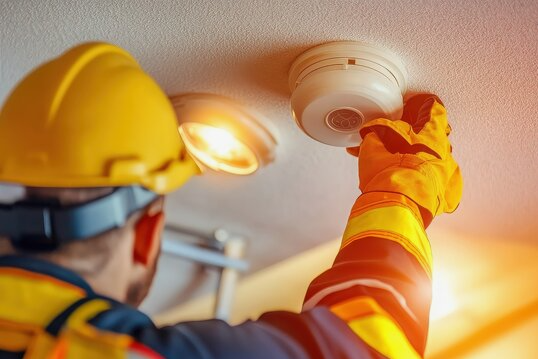
Commercial buildings have strict fire safety requirements because they have higher occupancy, more complex layouts, and greater risk than residential properties. A properly designed and installed fire alarm system is not just a safety feature, it is a legal requirement in most jurisdictions.
At NYC Fire Alarm, we specialize in designing and installing compliant fire alarm systems that meet local codes, protect lives, and ensure your business stays fully operational and inspection-ready.
In this guide, we’ll break down the key fire alarm installation requirements for commercial buildings so you understand what’s needed for compliance and safety.
Why Fire Alarm Systems Are Mandatory in Commercial Buildings
Commercial properties such as offices, retail stores, warehouses, hotels, and restaurants are required to have fire alarm systems because:
- They contain a higher occupant density
- They often operate with electrical equipment and heat sources
- Evacuation time is more critical
- Property damage risk is significantly higher
A compliant fire alarm system ensures early detection, fast alerts, and safe evacuation.
Fire Alarm System Design Requirements
Before installation begins, a commercial fire alarm system must be properly designed based on building type and occupancy.
Key design requirements include:
- Building size and layout assessment
- Occupancy classification
- Emergency exit mapping
- Placement of detection devices
- Zoning of alarm areas
Each zone helps identify where a fire is detected for faster emergency response.
Required Fire Alarm Components in Commercial Buildings
A compliant commercial fire alarm system typically includes:
1. Smoke Detectors
Installed in hallways, offices, storage rooms, and common areas to detect early signs of smoke.
2. Heat Detectors
Used in kitchens, mechanical rooms, and areas where smoke detectors may trigger false alarms.
3. Manual Pull Stations
Placed near exits so occupants can manually trigger the alarm in case of emergency.
4. Fire Alarm Control Panel
The central system that monitors all devices and activates alarms.
5. Notification Devices
Includes sirens, horns, and strobe lights to alert occupants visually and audibly.
6. Backup Power Supply
Ensures the system continues to operate during power outages.
Code Compliance and Legal Requirements
Fire alarm installations in commercial buildings must comply with local and national fire codes.
Common requirements include:
- Compliance with NFPA 72 standards
- Approval from the local fire department or authority
- Proper system documentation and certification
- Regular inspection and testing schedules
Failure to comply can result in fines, penalties, or forced shutdown of operations.
Installation Process for Commercial Fire Alarm Systems
A professional installation typically follows these steps:
1. Site Inspection
Experts evaluate the building layout and fire risks.
2. System Design
A custom fire alarm plan is created based on code requirements.
3. Equipment Installation
Detectors, control panels, and alarms are installed throughout the property.
4. System Wiring & Configuration
All devices are connected and programmed for proper operation.
5. Testing & Certification
The system is tested to ensure full functionality and compliance.
Inspection and Maintenance Requirements
Installing a fire alarm system is only the beginning. Commercial buildings must also maintain compliance through:
- Monthly system testing
- Annual inspections
- Battery and backup checks
- Device cleaning and calibration
- Updating system components when needed
Regular maintenance ensures the system works during emergencies.
Common Installation Mistakes to Avoid
Many businesses face compliance issues due to poor installation practices, such as:
- Incorrect detector placement
- Using non-certified equipment
- Ignoring zoning requirements
- Skipping professional inspections
- Failing to integrate with sprinkler systems
These mistakes can lead to system failure during critical moments.
Why Choose NYC Fire Alarm
At NYC Fire Alarm, we provide end-to-end fire protection solutions for commercial properties.
Our services include:
- Fire alarm system design and installation
- Code-compliant commercial setups
- System upgrades and replacements
- Inspections and certifications
- Emergency repairs and maintenance
We ensure your building meets all safety regulations while keeping occupants fully protected.
Final Thoughts
Understanding fire alarm installation requirements for commercial buildings is essential for safety, legal compliance, and business continuity. A properly designed system not only protects lives but also safeguards your property and operations.
If you are planning a new installation or need to upgrade an existing system, professional guidance is critical.
NYC Fire Alarm is here to help you stay compliant, safe, and fully protected.
Contact us today to schedule a consultation or fire alarm system inspection.