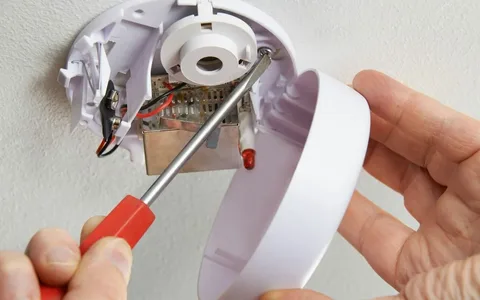
In modern buildings, fire safety has become one of the main priorities. It starts with a reliable detection system that keeps people safe, whether in a home, an office, or a mixed-use space. Fire Alarm Installation means designing, placing, and wiring alarm parts so that smoke, heat, or fire is found early and everyone is warned right away. According to the U.S. studies conducted recently, early intervention reduces injuries and property losses by a significant margin. An alarm installed in a proper manner operates silently throughout the day, and it is set to respond when danger appears. Understanding the functionality of such systems explains the significance of expert planning and the correct implementation.
Understanding the Basics of Fire Alarm Installation
A fire alarm is primarily dangerous and is used to warn people quickly. Smoke, heat, or fire sensors detect and signal a control panel. The panel switches on the sound and lights, such as the sirens and flashing lights, to tell people to go away. Fire Alarm Installation today tends to have connections with sprinklers, emergency lights, and building controls. This assists in responding faster and controlling emergencies. The goal is simply to bring attention to danger before it escalates into a life-threatening situation.
Components Involved in Fire Alarm Installation
A whole system consists of numerous interconnected constituents. Sensors identify smoke, heat, or flames and send signals to a control panel. The processor that interprets the signals and triggers the alerts is the control panel. In the Fire Alarm Installation phase, technicians assemble every part thoughtfully according to floor layout, ceiling height, air flow, and the number of people who will be using the space. Poor location may reduce the speed of detection, and expert planning is essential. Every section should be able to respond to the entire territory and act quickly.
How Fire Alarm Installation Works Step by Step
Installation begins with site checking to look into the risks and requirements. Then some design phase where specialists select appropriate devices and design wiring and connections. During installation, technicians mount equipment to the walls, lay wires, and connect all things to the control panel. Once they test the system to ensure that it functions and has passed local rules on fire. Full Fire Alarm Installation encompasses more than just installing. You require paperwork and training as well to ensure that, once an emergency arises, the system is already in place.
The Role of Codes and Compliance
The reason behind the strictness of U.S. fire rules is explained. The laws at the national, state, and local levels address the ways the fire systems should be addressed and maintained in good condition. A compliant Fire Alarm Installation ensures that it will properly sound, transmit to monitoring where necessary, and provide the firefighters with the appropriate information. Adherence to laws also puts the owners out of legal hassle and assists in insurance. It is advisable to regularly check and update the system to ensure that it is aligned with the new regulations and building modifications.
Benefits of Professional Fire Alarm Installation
There are those owners who consider DIY, yet there are actual advantages to a professional set-up. Professionals understand how to reduce false alarms without compromising the speed of detection. They also ensure that the system is capable of expansion in case of alteration of the building. A professionally handled Fire Alarm Installation improves reliability, requires less maintenance, and the alarm is safer because it was done by professionals. It has been found that, when installed professionally, alarms are more effective in the case of a real emergency occurring.
Maintenance and Long-Term Performance
The application of a system is only the beginning. Alarms are maintained through frequent checks, tests, and maintenance. The system may be affected by dust, old parts, or building modifications. Scheduling regular checkups ensures your Fire Alarm Installation continues to operate as designed. Maintenance ensures that the system remains in operation, which keeps people safe each year.
Bringing It All Together
The most important safety equipment is fire alarms, which require proper planning, proper installation, and routine maintenance. The awareness of their functioning reveals the necessity of specialists. Every detail is critical, whether it is the ability to see danger or the ability to raise an alarm and adhere to regulations. A well-executed Fire Alarm Installation creates a safer environment where occupants can live and work with confidence, knowing that early warning systems are ready to respond when it matters most.
FAQs
What is included in Fire Alarm Installation
It typically includes system design, equipment installation, wiring, testing, and documentation to meet safety codes.
How often should a fire alarm system be inspected?
Most systems require inspection at least once a year, with some components checked more frequently depending on regulations.
Can Fire Alarm Installation be customized for different buildings?
Yes, systems are designed based on building size, layout, occupancy type, and specific risk factors.
Do fire alarm systems work during a power outage?
Most systems include backup batteries or generators to remain operational during power loss.
Is professional Fire Alarm Installation required by law?
In many jurisdictions, professional installation and certification are required to meet fire safety codes and insurance standards.