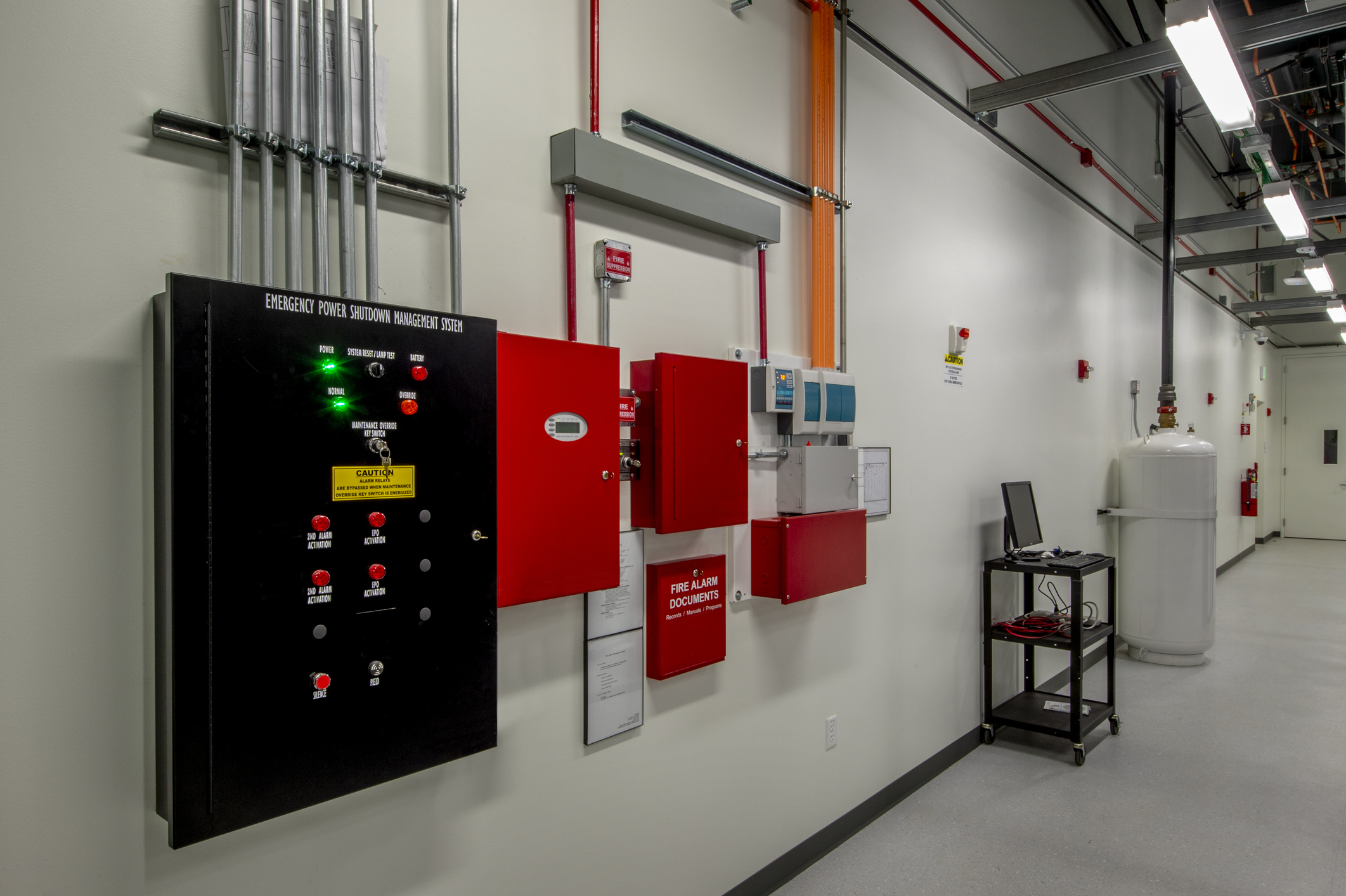
A commercial fire alarm system is an essential safety feature for businesses, offices, factories, schools, hospitals, shopping centers, and other commercial buildings. Its main purpose is to detect fire or smoke early and alert people so they can evacuate safely and quickly. These systems also help reduce property damage and support emergency response teams.
What Is a Commercial Fire Alarm System?
A commercial fire alarm system is a network of devices designed to detect smoke, heat, or flames and trigger an alarm. When a potential fire is detected, the system activates sirens, flashing lights, and sometimes voice announcements. Many systems also notify local fire departments or monitoring centers automatically.
Key Components of a Commercial Fire Alarm
- Smoke Detectors
These detect smoke particles in the air and are commonly installed in offices, hallways, and storage areas. - Heat Detectors
Heat detectors respond when the temperature rises rapidly or exceeds a safe level. They are useful in kitchens, warehouses, and mechanical rooms. - Manual Pull Stations
These allow people to manually trigger the alarm if they see a fire before sensors detect it. - Control Panel
The control panel is the brain of the system. It receives signals from detectors and activates alarms and notifications. - Alarm Notification Devices
These include sirens, horns, bells, and strobe lights that warn occupants to evacuate immediately. - Monitoring System
Many commercial systems are connected to a monitoring service that contacts emergency responders when an alarm is triggered.
Benefits of Commercial Fire Alarm Systems
- Early Fire Detection: Identifies fire risks quickly, allowing fast evacuation.
- Life Safety: Protects employees, customers, and visitors.
- Property Protection: Minimizes damage by alerting emergency services early.
- Legal Compliance: Helps businesses meet safety codes and insurance requirements.
- Peace of Mind: Provides continuous protection, even when the building is unoccupied.
Types of Commercial Fire Alarm Systems
- Conventional Systems: Divide the building into zones and identify which zone has a fire.
- Addressable Systems: Identify the exact device that triggered the alarm for faster response.
- Wireless Systems: Easy to install and flexible for building upgrades.
- Voice Evacuation Systems: Provide clear spoken instructions during emergencies.
Installation and Maintenance
Professional installation is important to ensure correct placement and system reliability. Regular inspections, testing, and maintenance keep the system functioning properly and compliant with safety regulations.
Conclusion
A commercial fire alarm system is a critical investment for any business. It protects lives, reduces property loss, and ensures compliance with safety standards. By choosing the right system and maintaining it properly, businesses can create a safer environment for everyone.